
Table of Contents
A kitchen remodel is one of the most valuable home upgrades, but it is also one of the most misunderstood in terms of time. Many homeowners expect quick results, only to discover that a proper transformation takes careful planning, coordination, and execution. A full remodel involves design decisions, material selection, demolition, construction, and finishing work, all of which must happen in sequence.
From a contractor’s perspective, especially in design-build projects like those handled by BriWi Construction, a successful remodel is not about speed alone; it is about doing each step correctly so the final result is functional, durable, and visually appealing.
Kitchen Remodel Timeline: How Long Does It Really Take?
A standard remodel typically takes around 4 to 8 weeks once construction begins. However, this does not include the planning phase, which can add additional time depending on how quickly decisions are made.
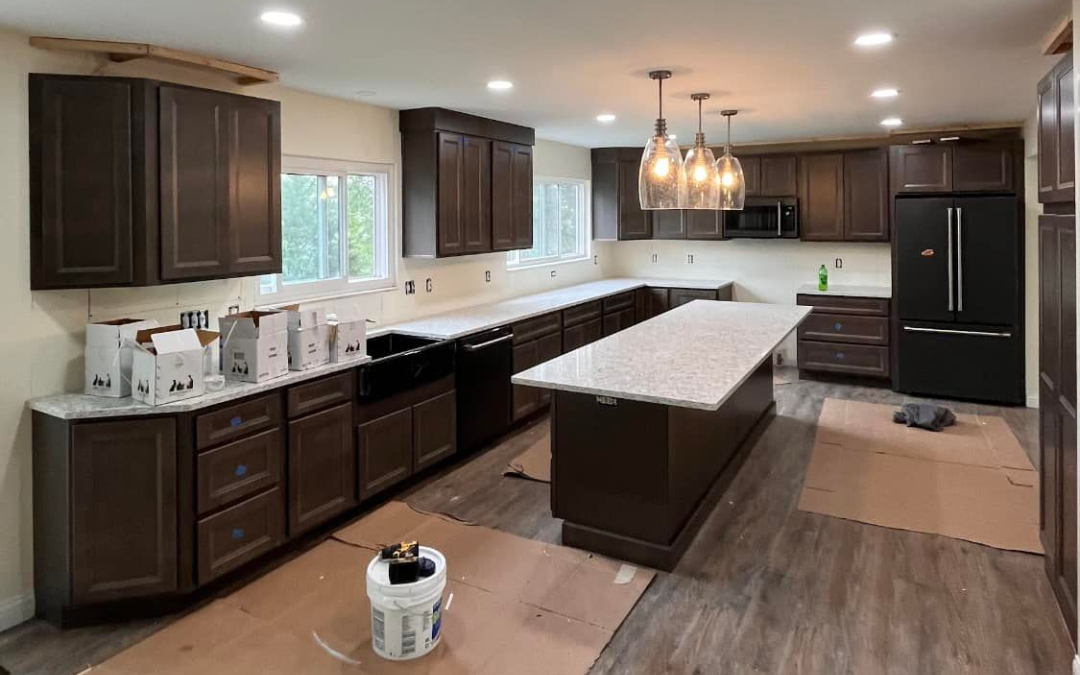
The construction phase usually includes demolition, structural adjustments, cabinet installation, countertop fitting, flooring, lighting, and final detailing. Each stage depends on the previous one being completed properly, which is why scheduling is so important. In most cases, delays are not caused by labor but by material availability, custom orders, or last-minute design changes.
Kitchen Renovation Timeline: What Affects the Schedule?
The Kitchen renovation timeline can vary widely depending on the size and complexity of the project. While some kitchens are simple upgrades, others require full redesigns that involve electrical, plumbing, and structural modifications.
One important factor is material selection. Custom cabinets, imported countertops, or specialty fixtures can extend the timeline. Another key factor is permit approvals, which may be required for larger remodel projects. Contractors also note that unexpected issues, such as hidden water damage or outdated wiring, can add time once demolition begins.
Custom Remodeling: Why Personalized Designs Take Longer
A custom remodeling project naturally takes longer than a standard renovation because everything is built around the homeowner’s specific needs. Instead of using pre-set layouts, custom work involves designing unique cabinetry, optimized storage, and personalized kitchen flow. Custom kitchens often include modern islands, built-in appliances, and tailored lighting plans. While this increases the timeline slightly, it significantly improves long-term functionality and comfort in a remodel. Custom remodeling also requires more detailed coordination between design, fabrication, and installation teams to ensure every element fits perfectly. Material sourcing can take additional time, especially when homeowners choose premium or specialty finishes. However, this extra planning phase helps deliver a more refined and personalized kitchen remodel that better matches long-term lifestyle needs.
Kitchen Remodel Checklist: Staying on Track During the Process
A structured kitchen remodel checklist helps keep the project organized and reduces delays. Contractors follow a step-by-step process to ensure everything is completed in the right order. The key stages include design finalization, material approval, demolition preparation, construction scheduling, and final inspections. Each step of the checklist ensures that nothing is missed and the workflow remains smooth from start to finish.
Clear communication between homeowners and contractors also plays a key role in avoiding misunderstandings during each phase. Regular progress updates help ensure that decisions are made on time and the project stays aligned with expectations. A well-managed checklist also allows contractors to quickly address unexpected issues without disrupting the overall timeline.
Home Kitchen Renovation: Why Professional Planning Matters
A Home kitchen renovation is more than just upgrading finishes; it is about improving how the entire space functions. Professional contractors focus on layout efficiency, storage optimization, and long-term durability. Experienced design-build teams like BriWi Construction manage the entire process, from initial design concepts to final installation. Their approach ensures that it stays organized, transparent, and aligned with the homeowner’s vision throughout every stage.
Proper planning also helps identify potential challenges early, such as plumbing or electrical adjustments that may be required. It allows homeowners to make informed decisions about materials and design features before construction begins. This level of preparation ultimately leads to a smoother kitchen remodel experience with fewer unexpected delays.
Kitchen Remodel Phases Explained Step by Step
A kitchen remodel follows a structured sequence where each phase depends on the one before it being completed properly.
1. Design and Planning Phase
This stage includes layout design, material selection, budgeting, and final approvals.
Decisions made here directly impact the overall timeline.
2. Pre-Construction Preparation
Permits, ordering materials, and scheduling trades are handled before work begins.
Custom items such as cabinets or countertops may extend this phase.
3. Demolition and Structural Work
Old cabinets, flooring, and fixtures are removed.
If any plumbing or electrical updates are required, they are completed at this stage.
4. Installation Phase
This includes cabinetry, countertops, flooring, lighting, and appliance setup.
Delays here usually come from material delivery timelines.
5. Final Finishing and Inspection
Final detailing, adjustments, and walkthrough inspections are completed to ensure quality and functionality.
Start Your Kitchen Remodel with Expert Guidance
Start your kitchen remodel with BriWi Construction today and bring your vision to life with a process that is smooth, transparent, and professionally managed from start to finish!